How to Read Vape Labels: Understanding MG, %, and Puff Counts

On this page9 sections
- What Does “MG” Mean on a Vape Label? (Nicotine by Weight)
- What Does % (Percentage) Mean on a Vape? (Nicotine by Volume)
- MG vs % — What’s the Difference?
- What Are Puff Counts — and Should You Trust Them?
- How to Choose the Right Nicotine Strength for You
- JUUL vs JUUL 2—Label Differences Explained
- Quick-Reference Label Glossary
- Frequently Asked Questions About Reading Vape Labels
- Now You Know How to Read Any Vape Label
Picture yourself standing in front of a vape display — or scrolling through an online store like JUUL Dubai. Two packs of pods sit side by side on the same shelf, priced identically. One box reads “18MG” in bold. The box right next to it says “3%.” Same price, same shelf, completely different labels. Which one hits harder?
If you genuinely don’t know the answer, you’re in good company. Most adult vapers never fully grasp how manufacturers arrive at these numbers. That confusion quietly causes real problems — people buy the wrong strength and end up either unsatisfied or consuming far more nicotine than they planned for.
This guide walks through every number that matters on a vape label: milligrams (MG), percentages (%), and puff counts. Everything here is grounded in factual industry standards and the specific labeling conventions that leading global brands like JUUL and JUUL 2 actually follow. By the time you finish reading, any vape package you pick up will make complete sense.
What Does “MG” Mean on a Vape Label? (Nicotine by Weight)
What Does MG Mean on a Vape?
MG stands for milligrams. On a vape label, that number measures the absolute weight of nicotine present per single milliliter (mL) of e-liquid. A label that reads “18mg/mL” is telling you that every single milliliter of that liquid holds exactly 18 milligrams of nicotine — nothing more, nothing less.
The logic is simple: the higher the MG number, the more nicotine you take in per puff. Manufacturers work with a fairly consistent range of standard MG values, though they vary based on the type of e-liquid and how the device is built:
- Low strength: 3 mg to 6 mg — typically found in large-cloud, sub-ohm freebase e-liquids
- Medium strength: 12mg to 18mg — common in entry-level starter kits and modern nicotine salt systems
- High strength: 20mg to 50mg — found exclusively in heavy-hitting pocket devices and specific pod systems
An 18MG rating lands in moderate-to-strong territory. It primarily serves adult smokers who want to move away from traditional cigarettes without fighting off severe cravings the entire time.
Real Product Examples
You’ll find this exact weight designation across several standard product lines:
- JUUL Pods Mint 18MG — a crisp peppermint option that delivers a full-hit nicotine experience
- JUUL Berry Pods 18mg — a distinct berry option built with the exact same 18mg weight concentration
- JUUL Mango Pods 18MG — a widely chosen aromatic fruit profile that ex-smokers tend to gravitate toward when they need consistent throat feedback
Pro Tip: 18MG tends to be the go-to starting point for people switching from traditional cigarettes. It delivers a noticeable nicotine hit without overwhelming someone who’s newer to vaping.
What Does % (Percentage) Mean on a Vape? (Nicotine by Volume)
What Does 3% or 5% Mean?
Where MG measures absolute weight, the percentage measures nicotine as a direct proportion of the total liquid volume inside the container. Put plainly, it tells you how much of the liquid is pure nicotine versus flavoring, vegetable glycerin (VG), and propylene glycol (PG).
Once you understand the conversion, jumping between the two formats becomes easy. To convert any percentage into milligrams per milliliter, multiply the percentage by 10:
- 3% nicotine equals exactly 30mg/mL of nicotine by weight
- 5% nicotine equals exactly 50mg/mL of nicotine by weight
Closed pod systems, pioneered by early alternative brands, are largely responsible for making percentage-based labeling the standard. A higher percentage means faster nicotine absorption and a more pronounced throat hit.
Strength Comparison
| Label | Nicotine Strength | Best For |
|---|---|---|
| 3% (30mg/mL) | Moderate | Light-to-moderate smokers |
| 5% (50mg/mL) | Strong | Heavy smokers seeking full satisfaction |
| 18MG (1.8%) | Moderate | Standard freebase or regional nicotine salt users |
Real Product Examples
The percentage label defines the classic product lines that have been on the market the longest:
- JUUL Menthol Pods 3% — a smooth, lower-intensity menthol experience
- JUUL Virginia Tobacco Pods 3% — a lighter, classic tobacco experience with a milder throat presence
- JUUL Virginia Tobacco Pods 5% — a heavy, full-bodied tobacco profile for maximum satisfaction
- JUUL Menthol Pods 5% — an intensely cold throat hit paired with high nicotine delivery
FAQ Callout — Is 5% a lot of nicotine? Yes, by most standards. 5% (50mg/mL) is considered high strength and is specifically engineered for heavy adult smokers or anyone who needs rapid satisfaction from just a few quick draws.
MG vs % — What’s the Difference?
MG vs %: Are They the Same Thing?
Both numbers describe the exact same thing: how much nicotine is in your vape. The only real difference is the unit of measurement being used. Think of it the way you’d think about Celsius versus Fahrenheit, or kilometers versus miles — same distance, same temperature, just expressed through a different scale.
The universal conversion is straightforward:
Percentage (%) × 10 = MG/mL
An 1.8% pod translates directly to 18mg/mL. Brands choose one format over the other based on regional compliance laws, production history, and what their local market expects to see. Older classic pods lean toward the percentage style, while next-generation lines like JUUL 2 have shifted to clear MG terminology.
Side-by-Side Clarity: JUUL’s 5% pods and JUUL 2’s 18mg pods are not the same strength — not even close. 5% means 50mg/mL, which is nearly triple the nicotine concentration of a JUUL 2 18mg pod (which translates to just 1.8%). Always read the specific unit text on the box before you buy.
Read our guide to learn why vaping leads to dry mouth
What Are Puff Counts — and Should You Trust Them?
What Does the Puff Count on a Vape Label Actually Mean?
A puff count is a manufacturer’s estimated calculation of how many draws you can take before the e-liquid runs out or the battery gives up.
Here’s the catch: puff counts come from automated lab testing machines. These machines simulate uniform, short draws that usually last between one and two seconds under controlled conditions. Real-world human behavior is far less predictable. Several factors will shift your actual puff output in practice:
- Draw Duration — Deep, four-second lung inhales use roughly twice as much liquid per draw, which cuts the label’s puff count in half
- Frequency — Continuous chain-vaping overheats the internal wick, causing more liquid to vaporize per second than a single, isolated puff would
- Device Storage — Cold environments reduce battery output efficiency, while high ambient temperatures can thin the liquid itself, affecting how fast it gets consumed
Standard pod systems often leave puff counts off their labels entirely because they focus on fixed fluid capacities — 0.7mL or 1.2mL pods, for instance. Disposable vapes, on the other hand, advertise puff counts heavily, with numbers ranging from “600 puffs” all the way up to “5000+ puffs,” because that figure is one of their primary selling points.
Puff Count to Realistic Usage Conversion
| Puff Count Label | Rough Real-World Usage Equivalent |
|---|---|
| 200–300 puffs | Light daily use; lasts roughly 2–3 days |
| 600 puffs | Roughly equivalent to 20 traditional cigarettes — one full pack |
| 1500–2000 puffs | Several days to a week of moderate consumer use |
Honest note: Because manufacturers calculate these figures under perfect laboratory conditions, your personal real-world yield will frequently land 20% to 30% below the maximum number printed on the box. That’s not a defect — it’s just the reality of human variation versus machine consistency.
Understand vape leaks and physics
How to Choose the Right Nicotine Strength for You
How to Pick the Right MG or % for Your Vaping Style
Getting this choice right matters more than people realize. The two most common vaping mistakes are under-satisfaction — which leads people back to cigarettes — and over-saturation, which can cause temporary mild headaches or dizziness. The simplest way to avoid both is to match your personal smoking history to the categories below.
If you’re a light smoker or a casual vaper: Go with 3% pods or e-liquids in the 6mg to 12mg range. These options give a gentle throat feel without any aggressive head rush.
- Recommended choices: JUUL Menthol Pods 3% or JUUL Virginia Tobacco Pods 3%.
If you’re a moderate smoker transitioning to vaping: Start at the 18MG or 3% threshold. This range balances real vapor satisfaction with a manageable nicotine delivery rate — enough to feel it without being overwhelmed.
- Recommended choices: JUUL Pods Mint 18MG, JUUL Berry Pods 18mg, JUUL 2 Mango Pods 18mg, or JUUL 2 Watermelon Pods 18mg.
If you’re a heavy smoker looking for full satisfaction: Skip the lower ranges entirely and go straight to 5% pods. Your body needs immediate, recognizable feedback, and anything below that threshold will likely leave you reaching for more puffs than necessary.
- Recommended choices: JUUL Menthol Pods 5% or JUUL Virginia Tobacco Pods 5%.
If you want flavor variety without changing your intake: The next-generation JUUL 2 platform standardizes its entire global flavor lineup at 18mg. That makes it an ideal ecosystem for anyone who enjoys exploring different flavor profiles without constantly adjusting their daily nicotine consumption. You can move between sweet, tobacco, and icy profiles freely while your intake stays completely constant.
Options to explore: Apple JUUL 2 Pods, Lychee JUUL 2 Pods, Arctic Breeze JUUL 2 Pods, JUUL 2 Tropical Medley, Ruby Menthol JUUL 2, or Summer Menthol JUUL 2.
Understand JUUL inconsistency issues in this guide
JUUL vs JUUL 2—Label Differences Explained
JUUL vs JUUL 2 Pods: How the Labels Differ
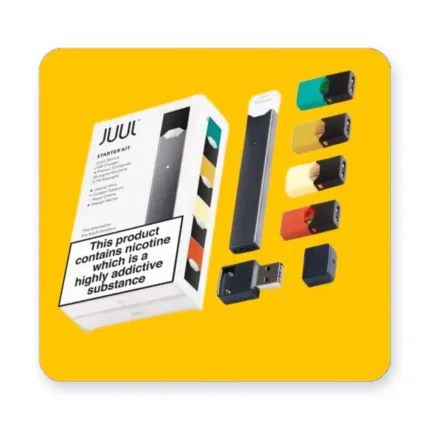
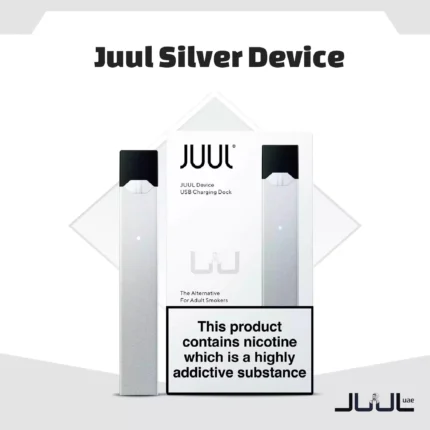
One of the most consistent sources of confusion for customers at JUUL Dubai comes from the structural shift between the legacy device lineup and the upgraded JUUL 2 platform. The two systems use completely different labeling logic — and they’re not compatible with each other at all.
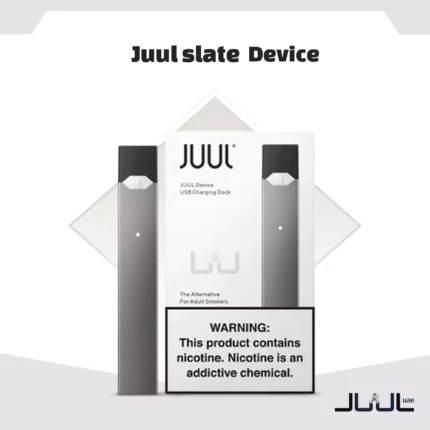
- Original JUUL Pods — Labeled by Percentage (%) — Available in 3% and 5%
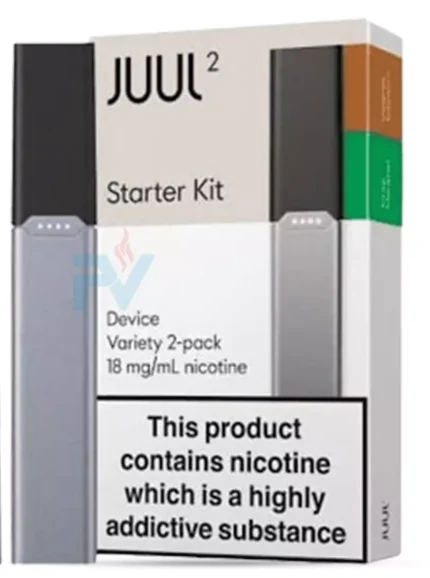
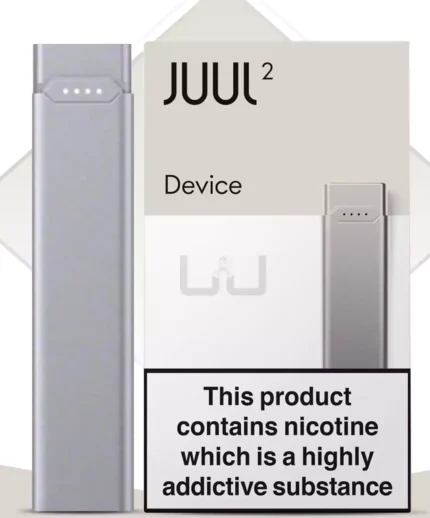
- JUUL 2 Next-Gen Pods — Labeled by Milligrams (MG) — Standardised at 18mg
The older classic platform uses the percentage scheme to differentiate its strength options. The next-generation JUUL 2 hardware standardizes its entire catalog at 18mg/mL — a change that aligns with modern international regulations while also taking advantage of upgraded internal heating structures to maximize vapor efficiency.
Original JUUL Pod Lineup (% Labeled)
- Cooling Options: Menthol 3%, Menthol 5%, and Mint 18MG
- Tobacco Options: Virginia Tobacco 3% and Virginia Tobacco 5%
- Fruit Options: Berry 18mg and Mango 18MG
JUUL 2 Pod Lineup (18mg Standard)
- Fruit & Fresh Profiles: Watermelon, Mango, Apple, and Lychee
- High-Ice Profiles: Arctic Breeze, Tropical Medley, and Polar Menthol
- Rich Tobacco Profiles: Blackcurrant Tobacco, Autumn Tobacco, and Virginia Tobacco
- Specialty Cool Blends: Summer Menthol, Ruby Menthol, and Crisp Menthol
💡 Combo Deal: New to the upgraded system? The JUUL 2 Device & Pods Combo Offer is the most cost-effective way to get started — it includes the hardware and clearly labeled pods right out of the box.
Quick-Reference Label Glossary
| Term | What It Means |
|---|---|
| Pure, unbound liquid nicotine creates a harsher throat hit at higher concentrations | Milligrams of pure nicotine suspended per single milliliter of e-liquid volume |
| % Nicotine | The total percentage of nicotine relative to the overall volume of liquid inside the chamber |
| Puff Count | An estimated benchmark of total draws based on automated machine testing |
| Freebase Nicotine | Nicotine bonded with natural acids, enabling smooth inhaling even at high 5% levels |
| Nicotine Salt | Nicotine bonded with natural acids, enabling smooth inhalation even at high 5% levels |
| Pod Capacity | The physical volume of liquid stored inside the plastic shell, measured in mL |
Frequently Asked Questions About Reading Vape Labels
Is 18mg the same as 1.8%?
Yes. Multiply 1.8% by 10 using the standard industry volume-to-weight conversion, and you get exactly 18 mg/mL.
Which is stronger — 3% or 5%?
5% is significantly stronger. A 5% pod contains 50mg of nicotine per milliliter, which is about 66% more nicotine than a 3% pod at 30mg/mL.
Why does JUUL 2 only come in 18mg?
It comes down to balancing international regulations with real-world performance. The 18mg nicotine salt formula delivers a satisfying throat hit and efficient absorption when paired with the upgraded airflow mechanics built into the JUUL 2 device.
Can I use JUUL 2 pods in a classic JUUL device?
No. The pods use different shapes, sizes, and internal electrical connections. They are not cross-compatible in any configuration.
What is a puff count based on?
Standardized one-to-two-second laboratory draws. Your actual puff count will vary based on lung capacity, draw length, and how often you take consecutive puffs.
Now You Know How to Read Any Vape Label
Decoding a vape label really does come down to three straightforward rules: MG tracks absolute weight, % calculates overall concentration by volume, and puff counts give you a general benchmark for how long something will last. With that understanding locked in, you can avoid the most common purchasing mistakes and land on the exact configuration that actually fits your routine.
Ready to restock? Browse our fully verified inventory of JUUL Pods → and next-generation JUUL 2 Pods → at JUUL Dubai, with every box clearly categorized by strength, flavor profile, and hardware generation.
Not sure which ecosystem suits your daily habits? Skip the guesswork and try the all-in-one JUUL 1 Device & JUUL 2 Device → to experience the standardized 18mg system firsthand.